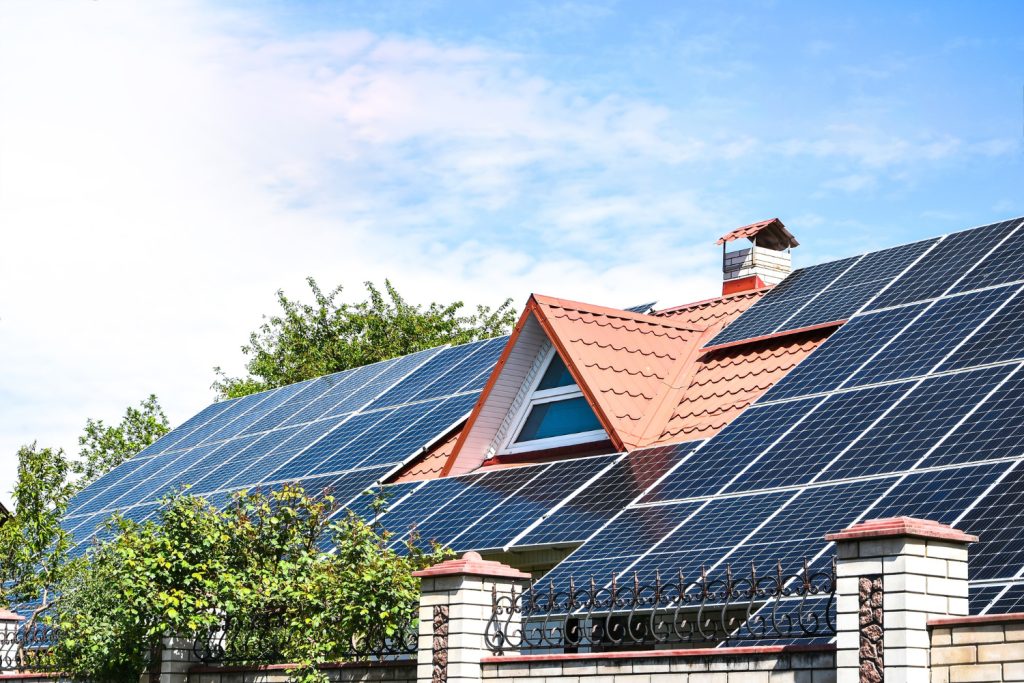
Solar panels close up shot solar panel array with blue sky

Affordable Solar Installations Sea Point

Thermo Group — Solar Experts You Can Trust

Affordable solar installations for homes and businesses in Sea Point — quality workmanship, transparent pricing, no premium mark-up.

At Thermo Group, we install solar PV, battery and hybrid systems throughout Sea Point — an Atlantic Seaboard suburb where cold Benguela sea air is some of the harshest on any installation in Cape Town, and where most properties are apartment blocks rather than freestanding homes. We design every Sea Point system around those conditions from the first site visit, not as an afterthought.

Credentials & trustECA member (Electrical Contractors' Association of South Africa)SAPVIA member (South African Photovoltaic Industry Association)Holds PV GreenCardRated 4.9 on GoogleFree quotes, no call-out fee

Thinking about solar in Cape Town?

Free solar quotes, no obligation. Installation and City registration handled for you.

Call 021 203 5337 Call 082 302 0683 Get a Free Quote

Free solar quote · no obligation

Tell us about your home in 5 quick steps

No prices on screen and no pushy sales. We call you back the same day, do a free site assessment, then send an accurate written quote.

Step 1 of 5

Where is the property?

Type of property

Prefer to talk? Call 021 203 5337 or WhatsApp 082 302 0683

Our experienced team handles the complete solar installation process in Sea Point — from surveying the property’s actual sun hours and shading, through design, installation, testing, compliance and registration.

Whether you’re looking for a solar PV system, battery backup, hybrid inverter or a complete energy solution, we design around your property’s electricity usage, roof and the Atlantic’s harsh salt air and sectional-title roof access. We carry out both residential and commercial solar installations, and our technicians are experienced in installing and maintaining these systems for the long term.

Sunsynk inverter and two batteries mounted on a wall with neat trunking

Complete Solar Solutions

Our solar services include:

  • ☀️ Solar panel installations
  • 🔋 Battery storage systems
  • ⚡ Hybrid and backup inverter systems
  • 🏠 Residential solar installations
  • 🏢 Commercial solar installations
  • 🔧 Solar system upgrades and expansions
  • 📋 Electrical compliance and certification
  • 🏙️ SSEG applications and registration
  • 📝 Solar system registration with the City of Cape Town
  • 🔍 Solar system inspections and fault finding
  • 🛠️ Ongoing solar maintenance and servicing

What We Design Around In Sea Point

🌊

Benguela Current Salt Air

The cold air rolling off the Atlantic here is some of the harshest salt exposure we deal with anywhere in Cape Town. We specify marine-grade hardware as standard.

🏨

Body Corporate Coordination

Sea Point is built mostly around apartment blocks and sectional title buildings. We work with body corporates and shared roof access from the planning stage.

🏙

Art Deco & Apartment Roof Design

From promenade-facing blocks to older Art Deco buildings up the slope, we design panel layouts that suit each roof’s structure and access constraints.

Why A Sea Point Solar Installation Isn’t A Generic Cape Town Job

Sea Point sits right on the Atlantic Seaboard, and the cold Benguela current air that rolls off the ocean here is some of the harshest on any solar installation in Cape Town. Add to that a suburb built mostly around apartment blocks and sectional title buildings rather than freestanding homes, and a Sea Point installation looks quite different from most suburbs. We don’t quote a Sea Point installation off a standard template — our process accounts for both the corrosion risk and body corporate approval from the outset.

Thermo Group solar installation work in Sea Point, Cape Town

Some Of The Harshest Salt Air On The Peninsula

The Atlantic Seaboard’s cold, salt-laden wind is some of the harshest we deal with anywhere in Cape Town. Every Sea Point installation gets marine-grade brackets, connectors and earthing hardware specified from day one.

Thermo Group solar installation team in Sea Point, Cape Town

Installing On Sectional Title & Apartment Roofs

Shared roof access on apartment blocks and sectional title buildings means body corporate coordination is part of the job, not an afterthought. We handle that process alongside the technical design, whether the building faces the promenade or sits higher up the slope.

Book Your Sea Point Solar Installation Consultation

Fill out the form below to book a site visit and quote for a solar installation in Sea Point. Already have solar and need a Certificate of Compliance too? See our dedicated Certificate of Compliance (COC) Services in Sea Point page.

As trusted solar contractors serving Sea Point, our qualified solar installers provide dedicated solar panel maintenance and PV system maintenance plans, so your investment keeps performing at its best for years to come.

We Don't Just Install — We Maintain

At Thermo Group, our relationship with our Sea Point clients doesn’t end when the solar installation is complete.

We offer ongoing maintenance and servicing for Sea Point solar systems, helping ensure equipment keeps operating safely and efficiently despite the Atlantic’s harsh salt air and shared apartment roof access. Our team can assist with inspections, fault finding, inverter issues, battery systems, electrical connections and general system maintenance.

Regular maintenance can also help identify potential problems before they become expensive failures.

Thermo Group installers fitting trunking for a Sunsynk inverter and batteries

SSEG & City of Cape Town Registration

Installing a solar system is only part of the process. Where required, your system must also be properly documented and registered with the City of Cape Town.

Thermo Group can assist clients with the SSEG application and registration process, helping ensure that the required documentation, electrical compliance requirements and system information are correctly dealt with.

Our goal is to make the process as straightforward as possible for the property owner.

Your Local Solar Experts

From the initial site survey to installation, compliance, registration and ongoing maintenance, Thermo Group provides a complete solar solution for Sea Point properties under one roof.

Driven by Quality. Powered by Trust.

More Solar Services

Explore our full range of solar installation and solutions services across Cape Town, find out more about our solar maintenance in Sea Point, or see our Certificate of Compliance services in Sea Point.

Solar on Sea Point Roofs: Apartment Blocks, Villas and Shopfronts

Sea Point is dense. Sectional title apartments dominate the central and beachfront streets, houses and villas climb the slopes toward Signal Hill and Lion’s Head, and the main streets carry shops, restaurants and offices, often under residential floors. Each of these needs a different solar approach, and the biggest difference is who controls the roof.

On a freehold house the owner decides. In an apartment block the roof is normally common property, so one owner cannot simply book an installer and start. In a mixed-use building the landlord, tenants and body corporate may all have a say. Settling that question early is the single most useful step in a Sea Point solar project, and it is where many quotes go wrong because they assume a simple house roof.

Rooftop solar installation, Table Mountain

Houses on the upper slopes have their own checklist. Roof age and condition come first, since an old covering should be replaced before panels go on rather than after. Trees and neighbouring buildings can cast shade, and a hillside plot may mean a steeper roof and harder access for the installation crew. A tiled or corrugated roof is a standard job, but the fixings, the sealing and the safety arrangements need to match the roof you actually have.

Whatever the building, the design starts from your electricity use and your goal: lower daytime consumption, backup for outages, or both. The sections below focus on what is particular to Sea Point.

Getting Approval in a Sectional Title Scheme

Under the Sectional Titles Schemes Management Act, work that affects common property, such as a shared roof, needs the scheme’s consent, and trustees must consent to alterations that affect the look or structure of the building. A common way to deal with roof space is a scheme rule that gives owners exclusive use of the roof area above their section, passed by the required resolution at a general meeting. The rule can then spell out where panels may go, how many, and how they are installed.

A practical order of events looks like this.

  1. Ask the managing agent how the scheme handles solar. Some schemes already have a rule or policy, and others are starting from scratch.
  2. Submit a written request to the trustees with the proposed position, equipment list and a description of how the roof will be penetrated and sealed.
  3. Cover the technical questions. Roof loading, wind resistance, waterproofing, cable routes through shared spaces, and where inverters and batteries will sit.
  4. Settle insurance and maintenance. Trustees normally want to know that the scheme’s insurance is not compromised, and who maintains panels and repairs any roof damage.
  5. Get the decision in writing before work starts, together with any conditions.

If your building is heritage-graded, visible roof or wall equipment may also need heritage approval. Older Victorian and Art Deco buildings in the suburb are among those that can be graded, so check with the body corporate or the City before you commit to a layout that shows from the street.

Wind, Salt, Shade and Orientation on the Atlantic Strip

Sea Point’s position on a narrow strip between mountain and sea shapes a solar design more than people expect.

Wind

Cape Town’s south-easter blows mainly from October to March, and the Sea Point promenade is among the city’s windier spots. In winter, north-westerly cold fronts bring rain and strong wind in from the sea. A roof at the top of a tall building is more exposed than one at street level. Mounting rails, clamps and fixings need to be specified and torqued for that exposure, and the structure under them must be sound. Flush mounting on a pitched roof catches less wind than tilting panels upward.

Salt

Salt air accelerates corrosion on fasteners, frames, connectors and enclosures. Ask for corrosion-resistant fixings and fittings, and for inverters and isolators that are rated for outdoor exposure, preferably mounted out of direct spray. Salt also leaves a film on glass, so a light rinse with clean water is part of ongoing care.

Shade and direction

Neighbouring towers and the slopes behind the suburb can shade a roof at certain times of day and in winter, when the sun sits lower. A proper design checks shading across the year rather than at midday in summer. In the southern hemisphere north-facing panels generally give the best annual output, with east and west-facing sections still useful for spreading production across the day.

Roof type and access

Flat concrete roofs normally take ballasted or fixed tilt frames, and every penetration through the waterproofing has to be sealed. Pitched metal and tiled roofs use clamps or hooks. On a high building, safe access, hoisting equipment and fall protection become part of the plan.

System Choices for Flats: Hybrid, Battery Space and Load-Shedding Cover

Most owners in a block want both bill savings and backup. A hybrid system, with panels, a hybrid inverter and a battery feeding an essential-loads circuit, is the usual answer. The City treats all new solar and battery systems as grid-tied, so a hybrid still needs registration. For flats and group developments, the City’s published requirements say applications are handled case by case, so ask early.

OptionSuitsMain hurdle in Sea Point
Single-unit system on an exclusive-use roof areaAn owner with a dedicated roof section or a top-floor unitScheme rule or trustee approval, cable route to the unit’s board
System for common-property loadsLighting, pumps, lifts and security in the buildingBody corporate decision, levy and ownership questions
House or villa systemFreehold properties on the slopesRoof condition, shading from neighbours and trees, wind exposure
Shop, restaurant or office systemBusinesses with strong daytime loadsLandlord consent, roof access, supply size

Battery space is the practical constraint in a flat. The City’s guidance is that batteries belong in a properly racked, dry, ventilated place, and a body corporate or insurer may add its own conditions about location and fire safety. Keep the backed-up circuit to essentials such as lights, fridge, internet and a few plugs, and leave the geyser, oven and heaters off it. That keeps the battery small and the load-shedding cover realistic.

City Registration When You Own a Unit, and When You Sell It

Registration with the City of Cape Town is required before a system is switched on, and the process is the same whether the property is a house or a unit. Thermo Group handles SSEG registration for the systems it installs. In a scheme, a few extra points apply.

  • Who applies. The property owner is the applicant and may authorise the installer to apply on their behalf. For common-property systems that means the body corporate.
  • Documents. Expect to supply the electrical Certificate of Compliance, commissioning report and signed supplemental contract once the system is installed.
  • Changes later. Adding panels or a battery later is a modification and needs a new application.
  • Selling the unit. According to the City’s requirements, a new owner has to sign a new supplemental contract, or the installation must be authorised or decommissioned. Raise it with your conveyancer so the paperwork is in order before transfer.

An unregistered system is a problem for the seller and the buyer. The City lists penalties for unauthorised connections, and an insurer or bank may ask for the paperwork. Our guide to the solar certificate of compliance explains how the certificate fits in.

Commercial Solar for Sea Point Shops, Restaurants and Offices

Retail, restaurants, coffee shops, salons and offices make up much of Sea Point’s commercial strip. Many of them use most of their electricity while the sun is up, which suits solar. Refrigeration, lighting, air-conditioning and point-of-sale equipment run through trading hours, and a restaurant may also have an evening load that a battery can help cover.

Business decisions in a leased space hinge on a few points. Who owns the roof, and does the lease allow equipment on it? Does the building have a shared supply, or is your tenancy separately metered? What is your supply size, and is it single or three-phase? Many City business tariffs include time-of-use periods and a demand charge, so the saving depends on tariff structure as well as production. Section 12B of the Income Tax Act has offered a deduction for qualifying solar installations, but conditions have changed and ownership matters, so check the current position with your accountant.

For a larger property owner or managing agent with several roofs, a single assessment covering every building can show which are worth doing first.

Quote Checklist, Maintenance and Next Steps for Sea Point Solar

When you compare quotes for a Sea Point building, look for these points in addition to the usual equipment and system sizes.

  • A statement of who is responsible for obtaining body corporate or trustee approval, and what documents they will need.
  • A roof and structure assessment, including wind loading and how waterproofing will be protected.
  • Corrosion-resistant fixings and outdoor-rated equipment, with the inverter location shown.
  • A shading assessment for the actual roof, not a generic estimate.
  • Confirmation of City registration, the electrical Certificate of Compliance, and who handles each.
  • Access arrangements for a tall or restricted building, including hoisting and working hours.

After installation, plan for an annual check, a rinse of the glass when salt builds up, and an inspection after severe storms. See solar maintenance for what a check covers. If you need an overview of the whole process, the main solar installations page covers it.

Neighbouring areas include Green Point, Mouille Point, Fresnaye and Bantry Bay. To discuss a property, call 021 203 5337 or 082 302 0683, or request a free quote.

Solar Installers Sea Point: More Questions Answered

Only with the scheme’s consent. In a sectional title block the roof is usually common property, so trustees or the body corporate must approve, often through a rule granting exclusive use of the roof space above a unit. Ask the managing agent how your scheme handles requests before getting quotes.

That should be settled in writing before installation. Many schemes make the owner responsible for their panels, cleaning and inverter, and for repairing any roof damage the installation causes. Trustees may also require insurance and an indemnity. Agree responsibilities up front to avoid disputes later.

Panels act like sails, so wind is a key design factor, particularly on high or exposed roofs. Properly specified rails, clamps and fixings, sound roof structure and flush mounting where possible reduce the risk. Check the installer has assessed wind loading for your specific roof.

Yes. North is best for annual output, but panels facing east, west or north-west still produce well and can spread generation across the day. A design based on your roof and shading will show the expected output and whether other sections would perform better.

They can, especially in a dense suburb and in winter when the sun is lower. A proper design models shading through the year for your roof. Ask to see the winter estimate as well as the annual figure, and note any planned developments nearby.

Only with the owner’s consent, because the property owner is responsible for the installation and for City registration, and in a block the scheme must also agree. A tenant who mainly wants backup for essential loads may find a smaller plug-in solution easier to arrange.

The City’s requirements say a new owner must sign a new supplemental contract, or the installation must be authorised or decommissioned. Tell your conveyancer about the system early and keep the Certificate of Compliance, commissioning documents and City correspondence together for the buyer.

Often, but with conditions. The City advises that batteries sit in a racked, dry, well-ventilated place, and your body corporate or insurer may have rules on location and fire safety. Check both before buying, and keep the battery away from escape routes and direct sun.

Book Your Sea Point Solar Installation

Fill in your details below and our team will contact you to discuss your solar installation or maintenance needs in Sea Point.

Quote Request Form

How much does solar installation cost in Sea Point?

It depends on your household’s usage and system size — a small backup system for essentials during load shedding costs far less than a full system covering your whole home. We assess your usage and roof before quoting, so you get an accurate price rather than a generic estimate.


How long does a solar installation take in Sea Point?

Most residential installations take 1 to 3 days on site, depending on system size and roof complexity, plus the time needed for approvals. We’ll give you a clear timeline once we’ve assessed your property.


Does the sea air affect what equipment you install in Sea Point?

Yes. The cold, salt-laden Atlantic air here is some of the harshest on solar equipment in Cape Town, so we specify corrosion-resistant hardware and fittings suited to Sea Point’s coastal exposure.


Will solar keep my home running during load shedding?

Yes. A correctly installed and configured solar and battery system will keep your essential circuits running during load shedding, and we handle the City of Cape Town’s SSEG registration and Notice of Completion as part of every installation.


Do you also handle compliance certificates and ongoing maintenance for the system?

Yes. We issue the Solar Certificate of Compliance your installation needs, and we offer ongoing maintenance and fault-finding to keep it performing well for years — whether we installed it or another company did.

Solar Installations & Maintenance in Sea Point

Registered, experienced solar technicians serving Sea Point’s apartment and sectional-title properties — installation, compliance, registration and ongoing maintenance.

We Work With