Thermo Group — 24/7 Emergency Electricians
Power out, breaker tripping, or something sparking? Fast, qualified emergency electricians for Sea Point’s apartments and homes.
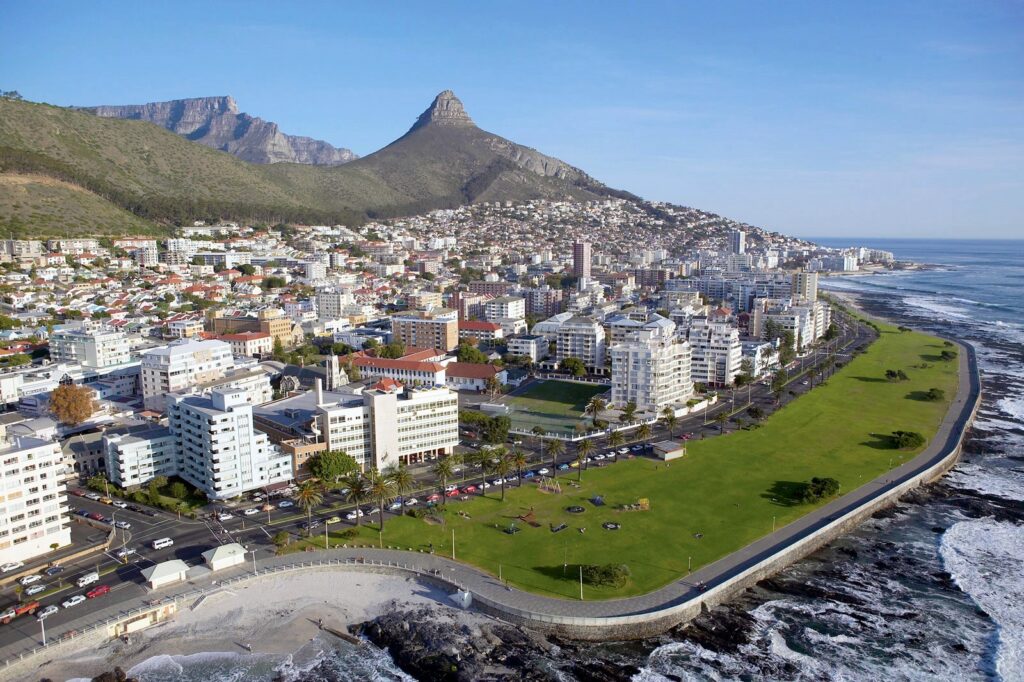
At Thermo Group, we respond to electrical emergencies throughout Sea Point’s dense strip of buildings along the Atlantic seaboard. When something goes wrong, we get there fast and fix it properly.
Need an electrician in Cape Town now?
Registered, insured electricians. Open 24/7. Free quotes, no call-out fee.
An electrical emergency is anything that puts your home or building at risk right now — total power loss, a DB that won’t reset, a burning smell, sparking plug points or exposed wiring.
We prioritise emergency callouts in Sea Point and aim to be on-site quickly, including shared building faults that affect multiple units.
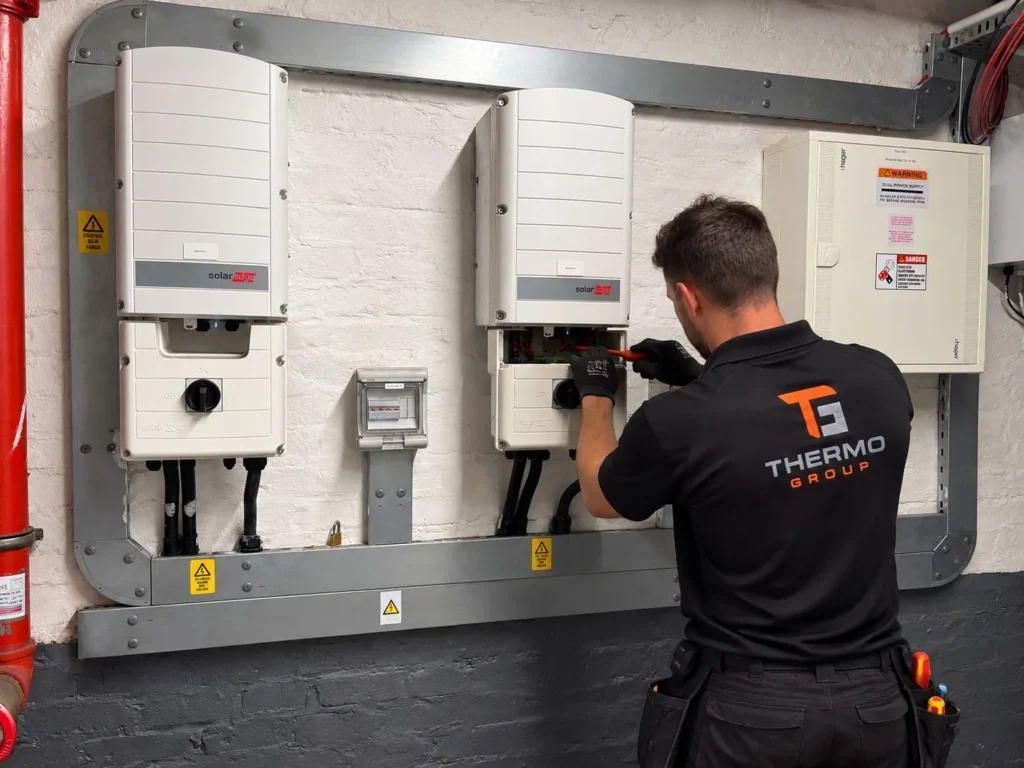
Emergency Electrical Callouts We Handle
We respond to:
- 🚨 Total power failure / no electricity
- ⚡ Distribution board tripping repeatedly
- 🏢 Shared body-corporate DB faults
- 🔥 Burning smells or visible sparking
- 🔌 Sparking or dead plug points
- 🌊 Salt-corroded outdoor electrics
- 🔋 Faults after load shedding returns
- ⚠️ Exposed or damaged wiring
- 💧 Burst geyser elements & related electrical faults
- 🌙 After-hours and weekend callouts
What We Watch For In Sea Point Emergencies
Shared DB Room Faults
A shared distribution board fault can knock out power to multiple units at once. We isolate the issue fast and coordinate with the body corporate.
Salt-Corroded Connections
Corroded meter room or DB connections are a frequent cause of emergency callouts along the Sea Point promenade.
Ageing Building Wiring
Many Sea Point buildings date from the 1960s-80s, which is where a lot of emergency faults we see actually originate.
Why Sea Point Emergency Callouts Need Local Knowledge
A shared DB fault knocking out several units, salt-corroded meter room connections, or an ageing building reaching the limit of its original wiring — Sea Point’s density and coastal exposure mean emergency faults here aren’t always straightforward. We don’t just reset a breaker and leave; we find out why it tripped.
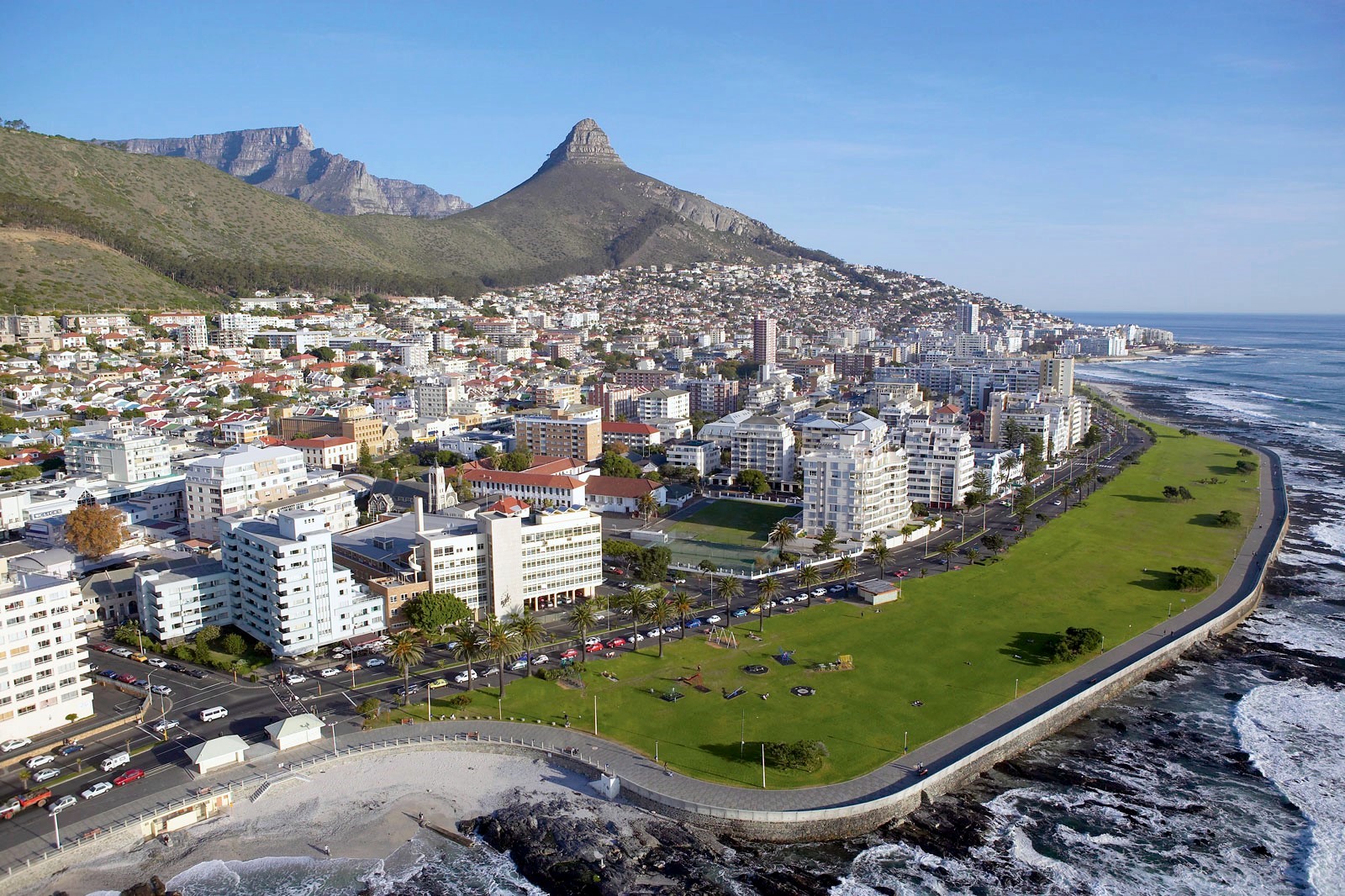
Fast Response Across Sea Point
From the promenade to the upper slopes, our vans operate throughout Sea Point and the Atlantic seaboard, so we can reach most emergency callouts quickly.
Get Emergency Help Now
Call us immediately for an active electrical emergency in Sea Point. For non-urgent electrical work, see our Electrician Sea Point page instead.
We Don't Just Fix It — We Make It Safe
Once the immediate emergency is resolved, we don’t just pack up and go.
We check the rest of the installation for related risks — especially in Sea Point’s older buildings, where one fault is often a symptom of ageing wiring or salt-air corrosion further along the circuit. If further repairs or an upgrade are needed, we’ll explain exactly what and why.
Our goal is to leave your property safe, not just powered on again.

Need A Compliance Certificate After The Repair?
If emergency repairs affected your wiring, distribution board or earthing, you may need an updated Electrical Certificate of Compliance (COC) — particularly if you’re selling or renewing insurance.
Thermo Group can issue the certificate once your installation meets requirements, so you deal with one team from emergency repair to certification.
We’ll let you know if this applies to your situation.
Your Local Emergency Electricians
Fast, qualified emergency electrical response for Sea Point’s apartments and homes — day or night.
Driven by Quality. Powered by Trust.
More Electrical Services
Not an emergency? See our Electrician Sea Point page for planned electrical work, our solar installations in Sea Point, or our Certificate of Compliance services in Sea Point.
What Counts as an Electrical Emergency in a Sea Point Flat or House
Not every electrical problem is an emergency, and it helps to know the difference before you pick up the phone. An emergency is a situation where there is a risk of shock, fire or injury, or where a fault cannot be left until the next working day. In a dense apartment suburb such as Sea Point, a fault in one unit can also affect neighbours, which raises the stakes.
- A burning smell, smoke or scorch marks from a plug, switch, appliance or the distribution board.
- Sparks, arcing or a loud crack when a switch is operated or an appliance is plugged in.
- Hot, melted or discoloured plugs, faceplates or board components.
- Exposed or damaged live wires, including cable pulled out of a wall or ceiling during other work.
- Water reaching electrical equipment, such as a leak above a board, a flooded balcony socket or a wet meter box.
- Tingling or shocks from taps, appliances or metal fittings.
- A board that trips instantly every time you reset it, or a unit with no power while neighbouring flats are fine.
If you are unsure which side of the line a problem falls on, treat it as an emergency until a qualified person says otherwise.
Immediate Safety Steps While You Arrange Help
These are general precautions, not a substitute for professional help. Your own safety comes before the equipment.
- Do not touch anyone who is still in contact with live electricity. If it is safe to reach the main switch with dry hands, switch the power off first, then call emergency medical services.
- If there is fire, get everyone out. Do not use water on an electrical fire, and do not use lifts in a building fire. Call the fire services from outside.
- Switch off at the main switch if you smell burning or see smoke and can reach the board safely. If the board itself is hot, smoking or wet, stay away from it.
- Keep clear of water. Do not stand in water or touch wet electrical equipment, and do not walk through a flooded area where sockets or cables may be live.
- Do not keep resetting a breaker. A device that will not stay on is protecting you from a fault.
- Unplug appliances only if the plug and your hands are dry and nothing looks damaged. Otherwise, leave them and switch off at the board.
- Warn others. Tell everyone in the unit to keep away from the affected area, and in a block alert neighbours and the managing agent if a shared board is involved.
Why Emergencies Happen in Sea Point: Causes by Property Type
The suburb mixes apartment blocks of different ages, sea-facing buildings and houses on the mountain slopes. Each tends to fail in its own way.
| Property type | Typical emergency | Why it happens |
|---|---|---|
| Older apartment blocks | Overheating board, melted plug, sudden total loss in a unit | Boards extended over time, too many circuits for the original design, loose terminations |
| Sea-facing flats and seafront buildings | Corroded terminals, trips in storms, failed outdoor lights | Salt air eats into connections and enclosures, and driven rain finds worn seals |
| Houses on the upper slopes | Faults in roof-space wiring, outbuildings or garden circuits | Additions and old cable that are hard to inspect |
| Short-let and rental units | Overloaded points, damaged flex, appliance faults | Constant turnover and heavy use of kettles, heaters and chargers |
| Any property with backup power | Inverter that will not switch over, tripping after supply returns | Poor changeover design, ageing batteries, surges when supply is restored |
Shops, restaurants and offices
Sea Point’s main streets carry shops, restaurants, coffee shops, salons and offices, often on the ground floor of a residential block. Commercial emergencies have a different cost of delay: a refrigeration circuit that drops out overnight, a kitchen board that overheats during service, or an alarm and access system that loses power. Businesses should know where their distribution board is, who holds the keys, and which circuits feed refrigeration and security so these can be isolated or protected quickly.
Grid events add a layer of their own. When supply is restored after an outage, fridges, geysers and pumps all start at once and a voltage spike can follow. Equipment that was already weak is often the first to fail, which is why a surge or a long outage can expose a fault that was waiting to happen.
What Happens on a 24/7 Call-Out
Thermo Group’s emergency line is open 24 hours a day, 7 days a week, including nights, weekends and public holidays. A typical emergency call-out follows a clear order.
- The call. You describe what happened. The person on the phone may ask whether anyone is in danger, what you can smell or see, and whether neighbours are affected.
- Safe-making. On arrival, the electrician’s first job is to isolate the fault and remove the immediate danger, which may mean switching off a circuit or the whole unit.
- Diagnosis. The cause is found by testing, not guessing: checking the board, the circuit and the connections involved.
- Repair or a safe interim. Where a part has to be ordered, the electrician can often leave the rest of the installation safely working while the damaged circuit stays isolated.
- Explanation. You are told what failed, what was done and what still needs attention.
Quotes are free, with no call-out fee and no obligation, and the electricians are qualified and insured. Thermo Group is a member of the Electrical Contractors’ Association of South Africa (ECA).
In an apartment block, a call-out can involve more than the electrician and the unit owner. Access to the meter room or a sub-board may need the managing agent. Work on common property needs the body corporate’s authority. Neighbours may need to be warned if a circuit shared with other units has to be switched off. Having those contacts to hand is part of being ready.
What to Have Ready When You Call
A little preparation saves time at the other end of the line, especially in a block where access is not straightforward.
- The exact address, building name, unit number and how to get in: gate, intercom, access code, or the name of someone who can let the electrician through.
- Parking and entry details for basements or residents-only bays.
- What happened and when: a smell, a bang, a trip, a flood, or work that was being done beforehand.
- What you can see at the board: which switches are down, and whether anything is hot, wet or marked.
- Whether neighbours are affected. This points to a building-wide supply problem rather than a fault in your unit.
- Where the board and main switch are, and any backup equipment such as an inverter.
- Contact details for the managing agent or trustee, and for the landlord if you rent.
When you are ready, call 021 203 5337 or 082 302 0683. If you can do so safely, a quick photo of the board is useful.
After the Emergency: Repairs, Certification and Follow-Up
An after-hours visit often makes the installation safe first and finishes the permanent repair afterwards. Ask what has been fixed, what is temporary and what the electrician recommends next.
New or altered electrical work needs a Certificate of Compliance for that work under regulation 7(4) of the Electrical Installation Regulations, so a repair that replaces a board, cable or circuit should be certified. Keep the certificate and any invoice together, because insurers, managing agents and future buyers may ask for them. Our guide to the electrical certificate of compliance explains the process, and the compliance certificates in Sea Point page covers sales and lettings.
If the emergency involved a damaged appliance or a suspected surge, make a note of what failed and when, and photograph the damage. Insurers usually want evidence of the event and, for electrical claims, proof that the installation was sound, so the Certificate of Compliance and the repair invoice can become useful documents.
It is also worth having the rest of the board checked. A fault that has damaged one breaker often points to a loose connection, an overloaded circuit or ageing equipment elsewhere on the same board. If the cause was in common property, report it to the managing agent so the body corporate can deal with the building’s side.
When It Is Not an Emergency, and Where to Go Next
Plenty of electrical problems are annoying rather than dangerous. A single socket that has stopped working, a light that needs a new fitting, or a breaker that tripped once and has stayed on can usually wait for a normal booking. So can planned work such as new circuits, a board upgrade or an EV charger. For those, the electrician in Sea Point page explains how a standard visit works.
If you are comparing services across the city, see the main emergency electricians in Cape Town page. Neighbouring areas covered by the same emergency service include Green Point, Mouille Point, Fresnaye and Bantry Bay.
For non-urgent work you can also request a free quote.
Emergency Electrician Sea Point: More Questions Answered
Yes, treat it as one. A burning smell usually means overheated insulation or a failing connection, which can lead to fire. If you can reach the main switch safely, switch the power off, keep away from the area, and call. Do not use the circuit again until it has been inspected.
Check first whether neighbouring buildings are also out. If they are, the cause is probably the municipal network, and the City is the right contact. If only your building is out, tell the managing agent, who can arrange for the main board and supply to be inspected.
Not always, but it should not be ignored. If it trips immediately every time you reset it, or you notice a smell, heat or shocks, treat it as urgent. If it trips only occasionally, such as in wet weather, book fault finding soon and avoid resetting it repeatedly.
Stay out of any standing water and do not touch the wet equipment. If you can reach the main switch without stepping in water, switch off the supply. Then call an electrician. Wet boards and sockets should be inspected before the power is switched back on.
New or altered electrical work, such as a replaced board, circuit or cable, needs a Certificate of Compliance for that work. A minor repair that restores an existing part may not, so ask the electrician what applies to your job and keep any paperwork you receive.
Normally the managing agent or trustees, because common property is the body corporate’s responsibility. Residents should report the problem straight away and give the agent the address, what has happened and which units are affected, so that an electrician can be sent.
If there is danger, make the situation safe and call for help first, then tell the landlord or agent. Your lease sets out who pays for repairs, so keep records and photos. A tenant should not delay a safety call while waiting for permission.
Yes, surges and spikes can occur when supply is restored after an outage, and they may damage electronics, fridges or inverters. Unplugging sensitive equipment during an outage and fitting surge protection at the distribution board both help reduce the risk.
Get Emergency Help Now
Call us directly for an active emergency, or fill in your details below and we’ll get back to you urgently.
Do you offer 24/7 emergency electricians in Sea Point?
Yes — we prioritise emergency callouts in Sea Point, including after-hours and weekend faults.
Our building’s shared DB has a fault affecting several units — can you help?
Yes, we coordinate with body corporates and managing agents to resolve shared DB faults quickly.
How fast can you respond to an emergency in Sea Point?
We prioritise no-power and safety-risk callouts and aim to be on-site as quickly as possible, often the same day.
Can you issue a Certificate of Compliance after an emergency repair?
Yes, where the repair affects your wiring, DB or earthing, we can inspect and issue an updated Electrical COC if needed.
Are your emergency electricians qualified and insured?
Yes, our team is qualified, DoL registered and fully insured on every callout.
Sparking, burning smells, exposed or melted wiring, a total loss of power, or a tripped main breaker that won’t reset are all genuine emergencies that need an electrician out to your Sea Point property immediately. A single dead plug point or a light that’s stopped working usually isn’t urgent and can be booked in as a normal call-out — if you’re not sure which yours is, call us and we’ll tell you honestly.
Yes, after-hours and weekend emergency call-outs to Sea Point carry a call-out fee, and we’ll always confirm it with you before we head out so there are no surprises. You’ll get a clear quote for any repair work before we start, on top of that call-out fee.
If it’s safe to reach, switch off the main breaker on your DB board to isolate the fault, and keep children, pets and water away from any exposed wiring or sparking outlets. Don’t attempt your own repairs in the meantime — our electrician will be with you in Sea Point as quickly as possible to sort it out safely.
24/7 Emergency Electricians In Sea Point
Fast-response emergency electricians serving Sea Point’s apartments and homes, day or night.
Other Thermo Services In Sea Point
- Certificate of Compliance Sea Point
- Electrician Sea Point
- Solar Installation Sea Point
- Solar Maintenance & Repairs Sea Point
See all Emergency Electrician areas in Cape Town or everything we offer in the Atlantic Seaboard.